Transparency Note: This post may contain affiliate links. If you book or buy through them, I may earn a small commission at no extra cost to you. Thank you for supporting the blog!
If you ask the internet when to visit Kamakura, you are going to get blasted with photos of Hydrangeas in June or red maples in November. And sure, flowers are pretty. But as a mom living next door in Yokohama, let me tell you the truth: those peak seasons are stress-city.
You are basically fighting a stampede of people just to walk down the street. That is why my absolute favorite time to pile the family into the car is January.
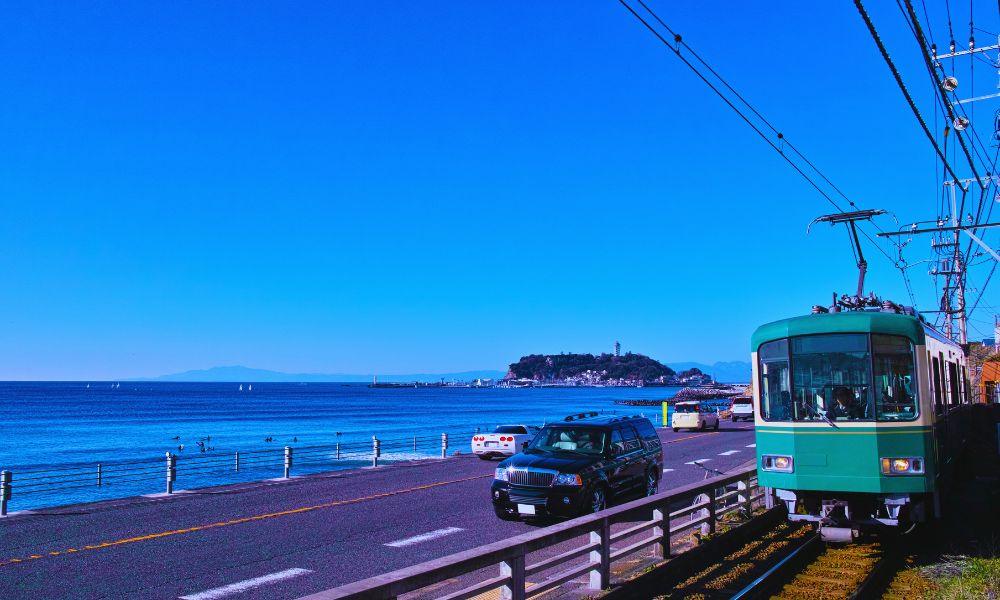
We locals call it “Kamakura Blue.” It is that piercing, crisp blue sky you only get in the dead of winter. It is cold? You bet. But it is also crystal clear. While everyone else is fighting the humidity in summer or the crowds in spring, we are getting fresh air, open space, and views that actually look like the photos.
Why Visit Kamakura in January?
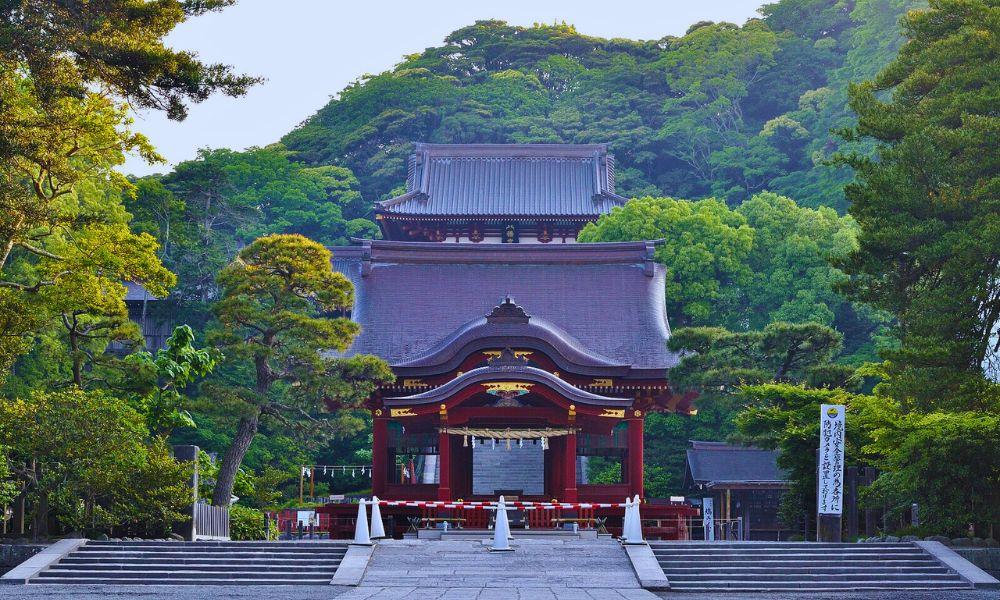
If you are worried about freezing your toes off, don’t be. The trade-off is absolutely worth it for a few massive reasons.
The Mt. Fuji Visibility
Here is the deal with the coast here: it is usually hazy. That ocean moisture hides the mountains for a huge chunk of the year. But in winter? The air is dry and sharp. This means January gives you the statistically highest chance of seeing Mount Fuji popping out over the ocean. I have gone in warmer months and seen nothing but grey fog. In January, he is usually out in full force, capped with snow.
The “Post-New Year” Calm
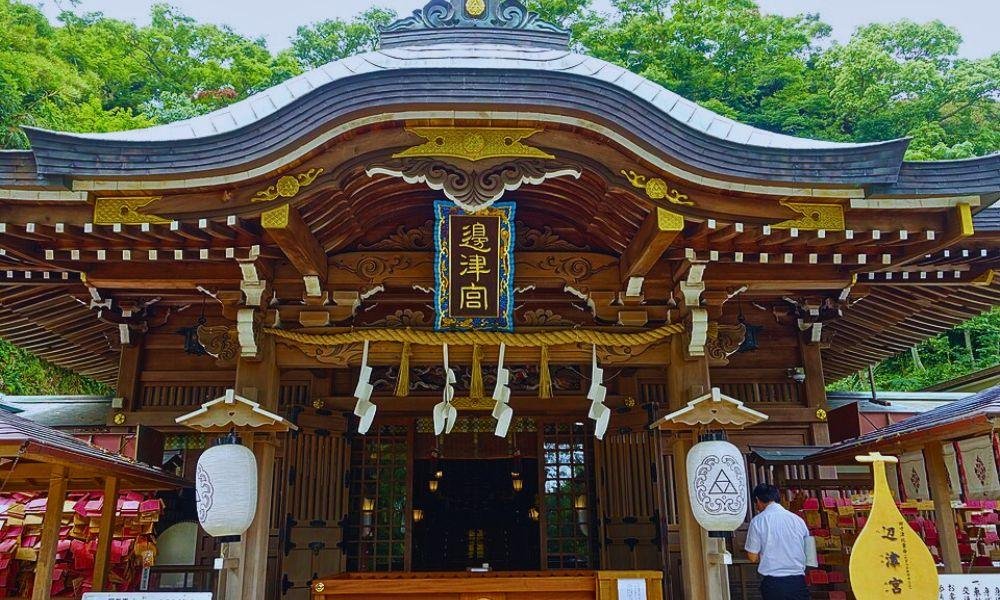
Kamakura goes absolutely bonkers for the first three days of January. Everyone does Hatsumode, which is the first shrine visit of the year. Tsurugaoka Hachimangu Shrine is basically a mosh pit from January 1st to the 3rd.
But the second that first week is over? The town goes quiet. It is like a switch flips. The crowds vanish, and you are left with a peaceful seaside town. We usually book our train passes via Klook just to keep things organized on my phone, but honestly, in late January, you might not even have to fight for a seat.
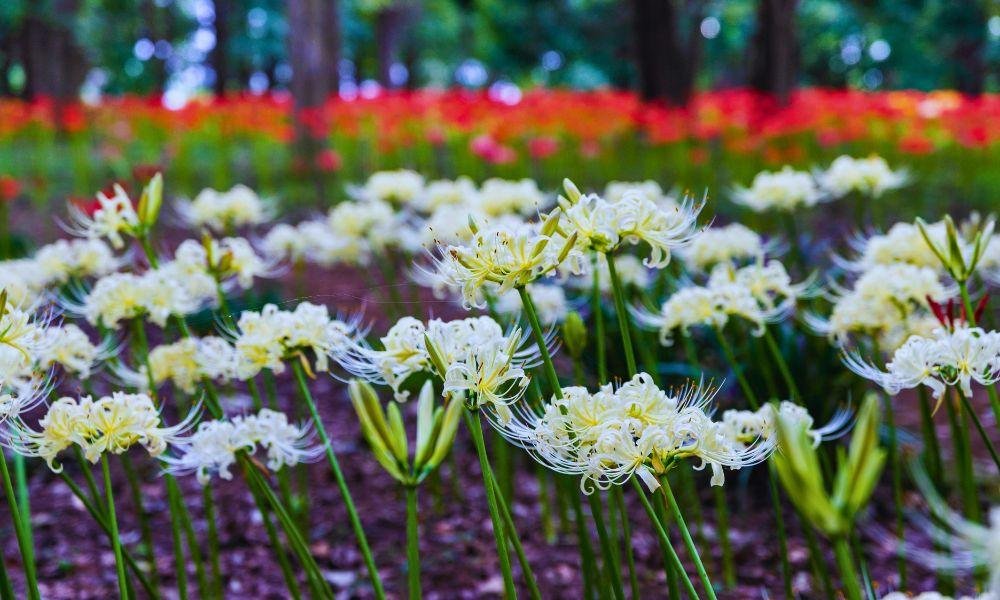
January in Kamakura is great, but the area is has must-see events year-round:


Winter Blooms
Just because it is winter doesn’t mean everything is brown and dead. Kamakura has these gorgeous winter peonies that bloom right through the cold. I’ll get into the specifics of where to find them down below, but just know that you aren’t walking into a barren wasteland.
Kamakura Weather in January: What to Wear
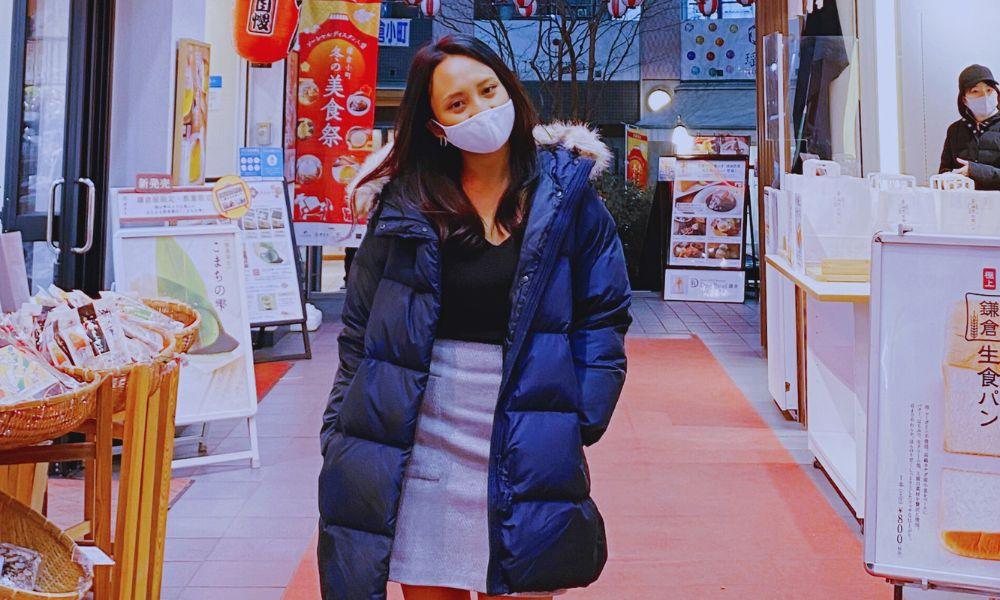
Listen, do not let the weather app fool you. When I first looked at the forecast, I saw an average of 48°F (9°C) and thought, “Oh, that is manageable! A light sweater should do it.”
Wrong. I was so wrong.
Because Kamakura is right on the coast, the wind coming off the ocean is absolutely ruthless. It cuts right through denim. I learned this the hard way when I took my five-year-old down to the beach and we both ended up shivering within ten minutes. I went into total panic mode thinking he was going to catch a cold instantly. The sun is usually shining and it looks gorgeous, but that wind is deceptive.
Now, I do not mess around. I layer us up like onions. I usually order a stash of Kairo (those stick-on heat patches) in bulk on Amazon because running to the pharmacy every time we run out is a pain I do not need.
- The Uniform: You need a windbreaker or a solid down coat. No open knits!
- Accessories: Gloves are non-negotiable. If your hands are in your pockets, you can’t take photos or wrangle a child.
- For the Kids: Layers they can peel off if they run around, but start heavy.
Top 5 Spots to Visit in Kamakura This January
Since I live just next door in Zushi, I have dragged my family to pretty much every corner of this town. These are the spots that are actually worth the effort in January, specifically chosen because they are either stunning in the winter sun or offer warm food to keep everyone happy.
1. Inamuragasaki Park (Best for Sunset)
If you only go to one place, make it this one. This isn’t just a park; it is a cape that juts out into the ocean, giving you the kind of view that makes you want to cry a little bit. This is where you get that million-dollar shot: Enoshima, the sparkling ocean, and Mount Fuji all lined up in one frame. In summer, the humidity hides Fuji behind a wall of grey haze, but in January? He is crisp, clear, and massive.
I admit, I usually stress out trying to time this perfectly. We try to get here about 30 minutes before the sun actually dips to claim a spot on the steps. It is arguably the best sunset spot in the region, and the best part is the black sand beach right below the park. My son can run around and burn off energy while I frantically try to get the perfect photo without my fingers falling off from the cold.
- Admission: Free! (My favorite price).
- Best Time: 4:30 PM ish in January.
- Access: A short walk from Inamuragasaki Station on the Enoden line.
2. Tsurugaoka Hachimangu (For Winter Peonies)
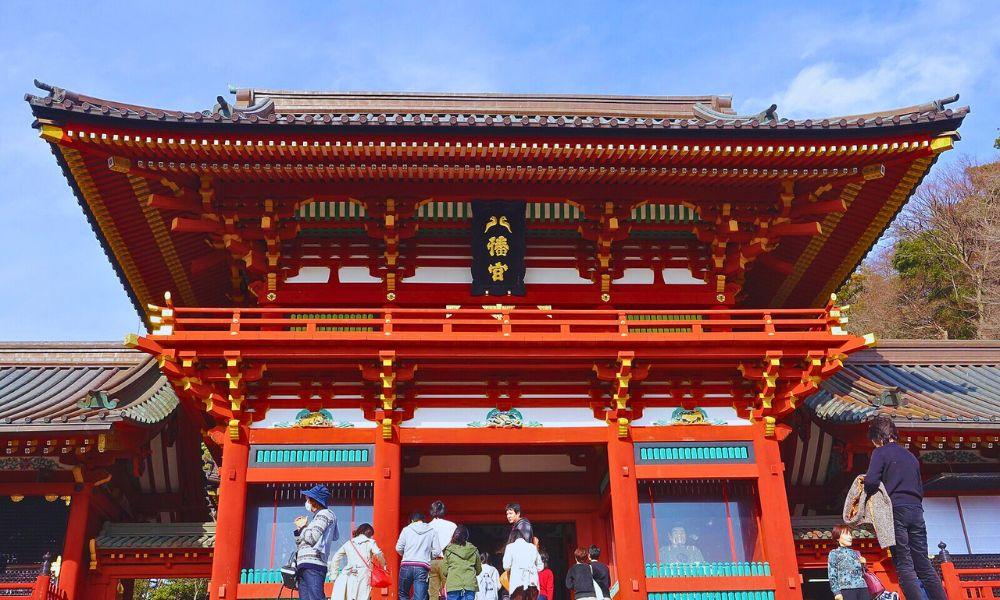
This is the big famous shrine that everyone visits, but most people miss the best part in January. You want to head specifically to the Shin-en Peony Garden on the grounds. They have these gorgeous Winter Peonies that bloom right in the freezing cold.
To protect them from the snow and frost, the gardeners build these adorable little straw huts called Warabotchi over each flower. It honestly looks like the flowers are wearing little straw hats or living in tiny houses. It is incredibly photogenic and something you can only see this time of year. Walking through here feels like a quiet escape from the main shrine chaos. It is peaceful, colorful, and makes you forget that it is freezing outside.
- Admission: The shrine is free, but the Peony Garden usually costs around 500 yen.
- Kid-Friendliness: High. The paths are flat and easy for little legs.
Get the perfect Tsurugaoka Hachimangu itinerary here:
And if you like not only visiting places but also truly knowing their history and what makes them special, get my detailed Tsurugaoka Hachimangu guide:
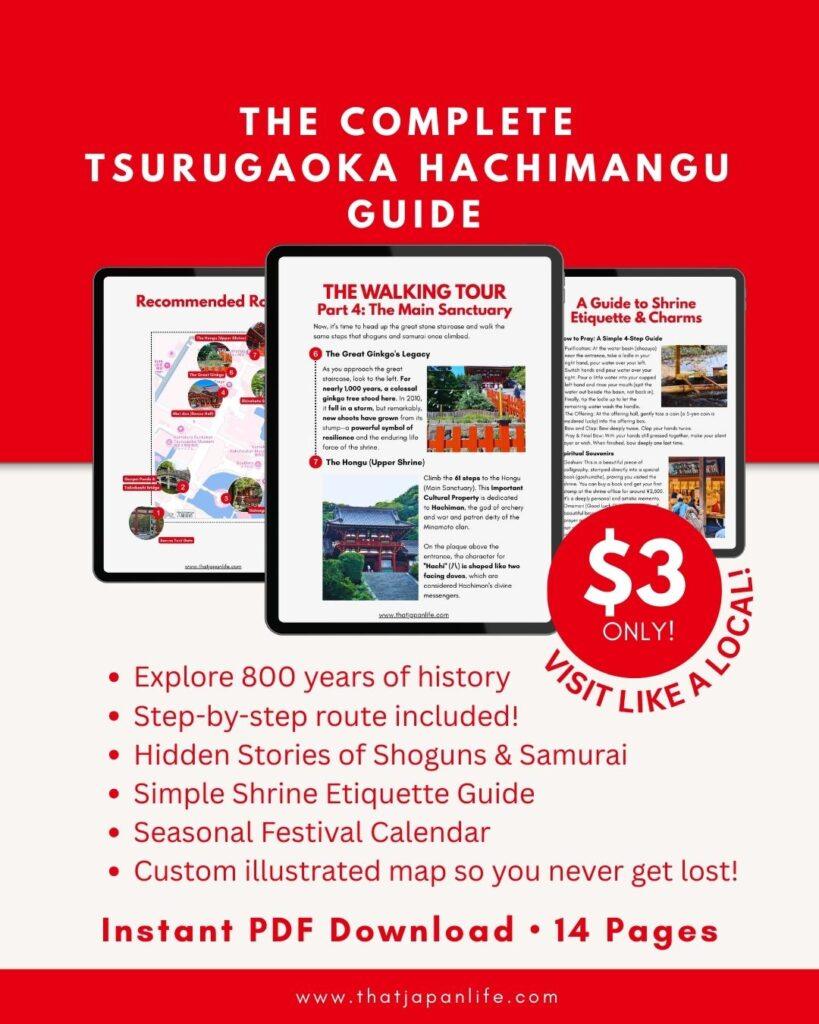
Transform your visit from a simple walk into an unforgettable adventure with my Complete Tsurugaoka Hachimangu PDF Guide.
3. Hase-dera Temple (Views & Winter Flowers)
@juz.jillin The ultimate Kamakura souvenir hack! ✨ Don’t leave without this adorable 2-in-1 omamori. Here’s the secret combo: * Get the cute Jizo omamori from the Nagomi Shop at Hasedera Temple. * Ride the Enoden train and grab the train-shaped omamori from the souvenir shop at Kamakura Station. Combine them for the most uniquely kawaii souvenir that perfectly captures your trip! Have you been to Kamakura? ##Kamakura##JapanTravel##Hasedera##Enoden##Omamori##JapaneseSouvenir##KamakuraTrip##VisitJapan##Kawaii##JapanTravelTips##鎌倉##長谷寺##江ノ電##御守##Jizo ♬ original sound – juz.jillin
I love this temple because it always smells amazing in winter. I know that sounds weird, but they have these yellow waxy flowers called Wintersweet that bloom in January and February. The scent is sweet, floral, and hangs in the cold air, hitting you the second you walk through the gate.
Beyond the smell, the temple grounds are incredible. There are hundreds of little Jizo statues that my son is obsessed with counting. If you have the energy to climb the stairs to the observation deck (it’s not too bad, I promise), you get a panoramic view of the bay that rivals Inamuragasaki. We usually book our Kamakura train passes on Klook beforehand to skip the ticket machine chaos at the station, and Hase-dera is an easy stop on that route.
- Admission: 400 yen for adults, 200 yen for kids.
- Note: There are stairs, but they are wide and manageable.
4. Kencho-ji Temple (For the Active Traveler)
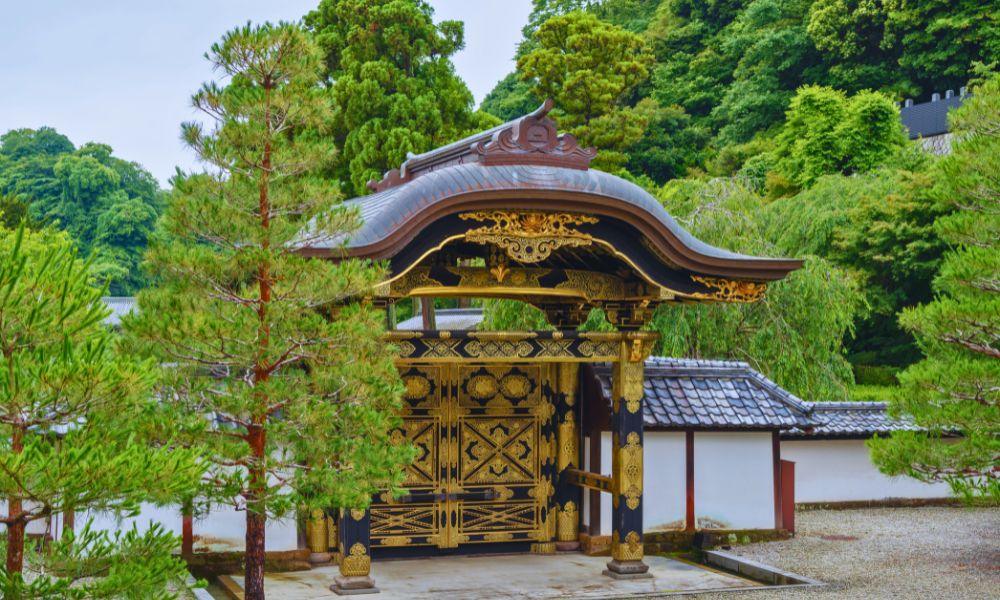
Okay, fair warning: this one requires actual physical effort. Kencho-ji is the oldest Zen training monastery in Japan, and it feels huge. The main wooden gates are towering and ancient, and it makes you feel tiny. But the real secret is the hike up to the Hansobo Shrine at the very back of the complex.
I am not going to lie, the stairs made me question my fitness levels, and I definitely had to bribe my son with a bag of gummies to keep him moving up the mountain. But the view from the top? It is unmatched. You are high enough that you look down on the city and straight across at Fuji on a clear day. Plus, the shrine is guarded by statues of Tengu—long-nosed goblins that look super cool and just a little bit scary.
- Difficulty: Moderate. Lots of stairs.
- Who it is for: Families with older kids or parents willing to carry the little ones.
5. Komachi-dori Street (Warm Winter Snacks)
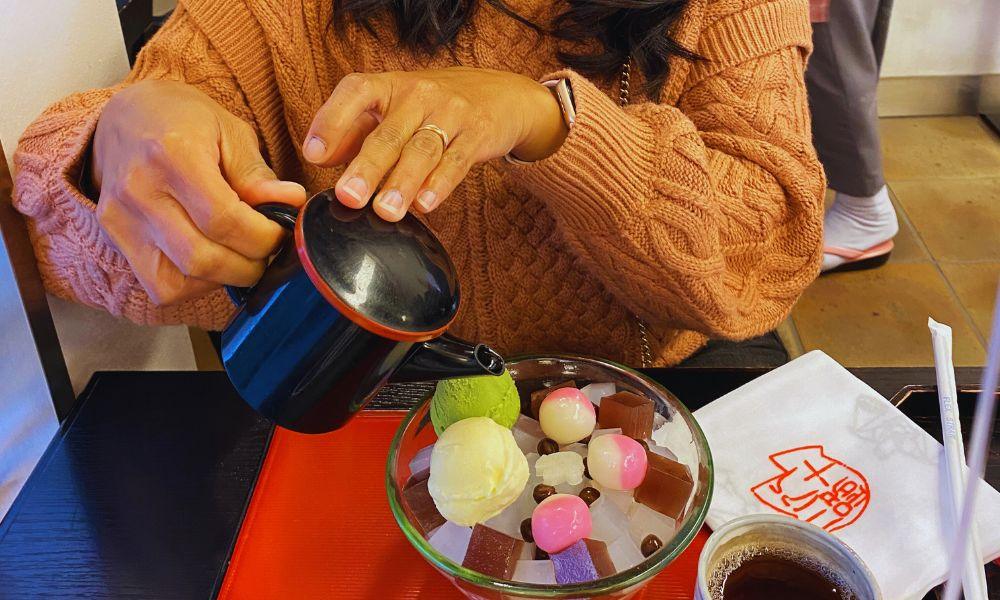
After all that walking (and freezing), you need food. Komachi-dori is the main shopping street right next to the station, and in summer it is a nightmare of sweaty bodies and long lines. In January? It is delightful. We head straight for the warm stuff because my fingers are usually numb by this point.
There is nothing quite like holding a massive, steaming Pork Bun in your hands while walking down the street. It doubles as a hand warmer! You should also grab a cup of hot Sweet Sake. The lines are way shorter than peak season, so you can actually eat without waiting for forty minutes while your kid has a meltdown.
- Budget: 300-500 yen per snack.
- Must Try: Freshly roasted senbei (rice crackers) that are still hot from the grill.
Important Tips for January Travel
Before you hop on the train, there are three things you absolutely need to know so you don’t end up stranded or stressed.
Avoid January 1st to 3rd Like the Plague
Unless you enjoy being crushed by thousands of people, do not visit during the first three days of the year. This is Hatsumode season, where everyone and their grandmother goes to the shrine to pray. Tsurugaoka Hachimangu becomes a sea of people. I made the mistake of trying to “just pass through” once, and I barely made it out with my stroller intact. Wait until January 4th or later.
In Japan during New Year? Take part in Hatsumode:
The Sun Sets shockingly Early
You might be used to long summer days, but winter here is different. The sun starts dipping around 4:30 PM and is completely gone by 5:00 PM. It gets dark (and cold) fast. I usually plan our day so we are wrapping up our sightseeing at Inamuragasaki for sunset, then heading straight to dinner or back home. If you start your day at noon, you are going to run out of light before you see everything.
The Enoden is Actually Enjoyable

In summer, the famous green Enoden train is basically a moving sardine can. You are lucky if you can squeeze on, let alone see out the window. But in January? You might actually get a seat! My son loves sitting by the window and watching the ocean go by. It is one of the few times you can ride this train without having someone’s elbow in your face. We always grab the “Noriorikun” day pass so we can hop on and off without fumbling for change.
FAQs About Visiting Kamakura in Winter
Is Kamakura actually worth visiting in winter?
Heck yes. Honestly, if you ask me, it is the only time to visit if you value your personal space. You are trading the heat and the massive crowds for fresh air and the best scenery of the year. Plus, seeing Mount Fuji early is something that almost never happens in summer.
Does it snow in Kamakura in January?
Rarely. Because we are right on the bay, the salt air keeps things a bit warmer than inland. It usually stays dry and sunny. It might happen once or twice a season, but don’t bank on a winter wonderland. Just plan for dry, windy cold.
Can you see cherry blossoms in January?
That is a hard no. You are way too early for the pink fluff. However, you can see the Winter Peonies at Tsurugaoka Hachimangu or the waxy yellow Wintersweet flowers at Hase-dera. They are just as pretty and way less basic.
What is the best time of day to see Mt. Fuji?
The early bird catches the mountain. You want to look for him before 10:00 AM. As the day warms up, a haze can sometimes creep in and block the view, even in winter. If you miss the morning window, try again at sunset from Inamuragasaki Park.
January in Kamakura
So there you have it. Don’t let the low temperatures scare you off. Kamakura in January is a total hidden gem. You just need to bundle up, bring a solid windbreaker, and maybe stick a few heat patches on your back.
The streets are quiet, the air is clean, and the views are absolutely unmatched. It is the perfect low-stress day trip for families who just want to enjoy the culture without battling a million other tourists.