Note: This post contains affiliate links. If you click through and make a purchase, I may earn a small commission at no extra cost to you. This helps support the blog and keeps the content free!
When I first moved to Yokohama, I thought I was totally prepared for the cold. I bought the puffer coats, the heattech, the works. But nobody—and I mean nobody—warned me about the absolute betrayal that is the Kanto plain dryness! Coming from a tropical country where humidity is basically our second skin, my body went into absolute shock. I remember looking in the mirror one morning and realizing my “tropical Filipina glow” had officially left the building, replaced by something that looked a lot more like a shedding lizard.
It didn’t help that I am actually quite obsessive about handwashing. Mix that habit with the zero-humidity air, and I actually ended up with painful skin scratches that burned every time I touched water. I was freaking out! I had no idea what to do, and standing in the middle of a Japanese drugstore staring at walls of Kanji made me want to cry. If you are finding yourself in this situation, do not panic. The struggle against Dry Skin (Kansouhada: 乾燥肌 / かんそうはだ / Kansouhada) is real, but you can win this fight.
Worry not, because I have done the heavy lifting for you. After many panic-induced trips to HAC Drug and Matsukiyo, and spending way too much money on stuff that didn’t work, I finally found the holy grail products that saved my skin. These are the heavy hitters that are affordable, effective, and safe for the whole family. Yey! I usually just bulk order these on Amazon Japan now because dragging heavy lotion bottles home with a five-year-old in tow is a workout I did not sign up for.
Why Japanese Winter is So Tough on Skin
Okay, let’s talk science for a second, but the panic-induced kind. You might be thinking, “It is just winter, put on lotion.” No! It is different here. From December to February, the Humidity (Shitsudo: 湿度 / しつど / Shitsudo) in the Kanto region drops to dangerously low levels. We are talking crispy air that sucks the moisture right out of your pores. Back home, the air is thick and basically hugs you. Here? It feels like the air is personally trying to attack you.
But wait, it gets worse. You run inside to escape the cold, right? And what do you do? You turn on the Heating (Danbou: 暖房 / だんぼう / Danbou). Most Japanese apartments rely on those wall-mounted AC units to heat the room. Instead of radiating cozy warmth, they blow hot, dry air around the room like a giant hair dryer aimed at your face. It is brutal! I literally felt like a dried mango slice sitting in my living room.
I honestly had to order a massive humidifier on Amazon just to survive the night without waking up with a scratchy throat, because lugging one of those heavy machines from the store is not something my back can handle right now.
5 Best Japanese Drugstore Products for Dry Skin
I have wasted so much money trying random pretty bottles that did absolutely nothing for my alligator skin. But through trial and error (and reading a lot of intense Japanese review sites), I found the winners. These are the ones I keep buying over and over again.
1. The Hydration Hero: Hada Labo Gokujyun Premium Lotion (Gold Bottle)
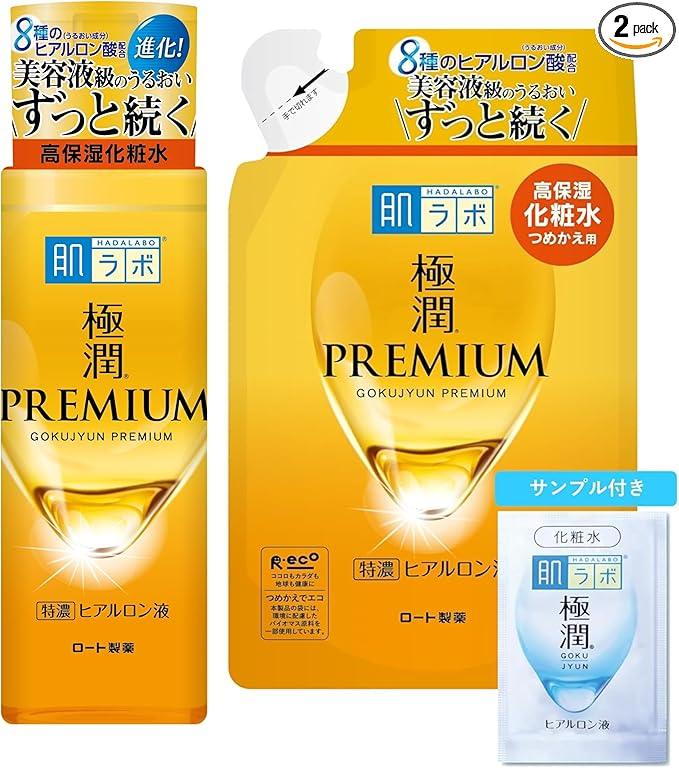
If there is one product you buy from this list, make it this one. Please do not get confused by the word “Lotion” because in Japan, a Lotion (Keshousui: 化粧水 / けしょうすい / Keshousui) is actually a liquid toner. But this gold bottle? It is not just water. It is a thick, gloopy miracle that feels more like a serum.
It is packed with seven types of Hyaluronic Acid (Hiaruron-san: ヒアルロン酸 / ひあるろんさん / Hiaruronsan). When I first poured it into my hand, I was shocked by the texture. It is rich and jelly-like! I slap this on my face literally five seconds after I step out of the bath while my skin is still damp. It sucks all that water into your skin and holds it there. The best part is that they sell refills, so you don’t have to buy a new plastic bottle every time. I usually order the refill packs in bundles on Amazon because I run through them so fast and hate running out.
- Best For: dehydrated, thirsty skin that drinks up moisture.
- Price: Around ¥900 (super affordable!).
- Texture: Thick, clear, serum-like liquid.
- How to Use: Pat onto clean, damp skin immediately after washing.
2. The Family All-Rounder: Yuskin A (Family Medical Cream)
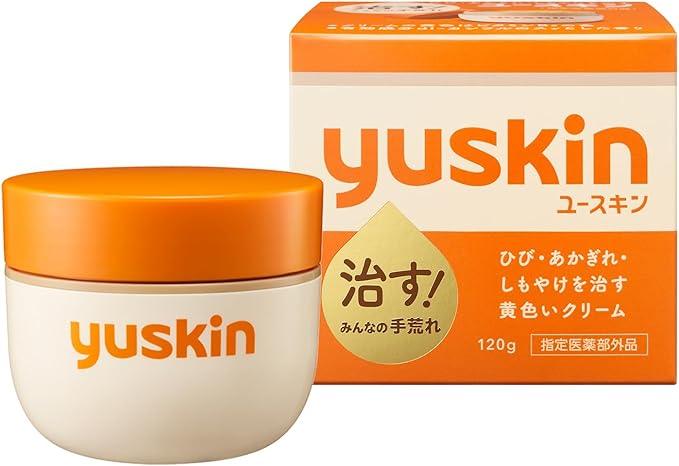
Okay, I am not gonna lie to you. When you first open this orange jar, it smells intense. It has a strong camphor scent that reminds me of medicine cabinets from the 80s. But do not let that scare you away! The smell disappears after a minute, and the results are magic. This is a designated Medical Cream (Yakuyou Kuriimu: 薬用クリーム / やくようくりーむ / Yakuyou Kuriimu).
My hands get absolutely destroyed from washing dishes and doing laundry constantly. This cream heals the cracks and rough patches overnight. It is also safe for the kiddos! I use it on my son’s dry elbows and knees. My absolute favorite hack is slathering a thick layer on my heels, putting on socks, and going to sleep. You wake up with baby feet. I buy the biggest tub available online so I don’t have to worry about restocking for the whole winter.
- Best For: Cracked heels, rough “mom hands,” and elbows.
- Scent: Camphor/Menthol (fades quickly).
- Safety Note: This is a medicated product containing camphor. Check with your doctor before using if you have specific allergies or concerns.
- Color: Bright yellow (from Vitamin B2).
3. The Barrier Savior: Curél Intensive Moisture Facial Cream
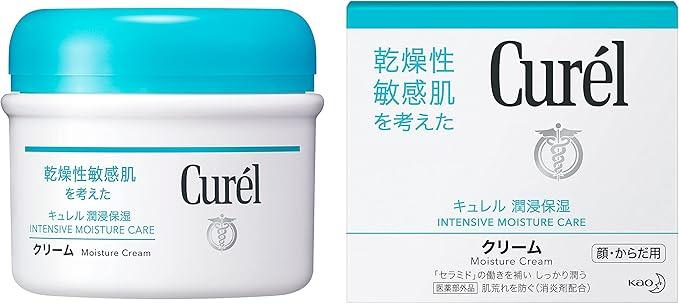
When the wind in Yokohama is slapping your face and your skin feels raw and stinging, you need this. Curél is famous for focusing on Ceramides (Seramido: セラミド / せらみど / Seramido), which are the things that hold your skin barrier together.
I love this because it is alcohol-free and designed specifically for Sensitive Skin (Binkanhada: 敏感肌 / びんかんはだ / Binkanhada). A lot of creams feel heavy and greasy, but this one is oddly light and fluffy, almost like a soufflé. It absorbs instantly but keeps my face from feeling tight all day. It is a bit pricier than the other items for the size of the jar, so I keep an eye out for sales online and grab a few at a time.
- Best For: Sensitive, stinging, or red skin.
- Texture: Light, airy, whipped cream texture.
- Free From: Alcohol, fragrance, and colorants.
- Safety Note: Super gentle, but as always, check with your doctor or do a patch test if you have hyper-reactive skin.
4. The Bodyguard: Nivea Japan Premium Body Milk (Moisture)
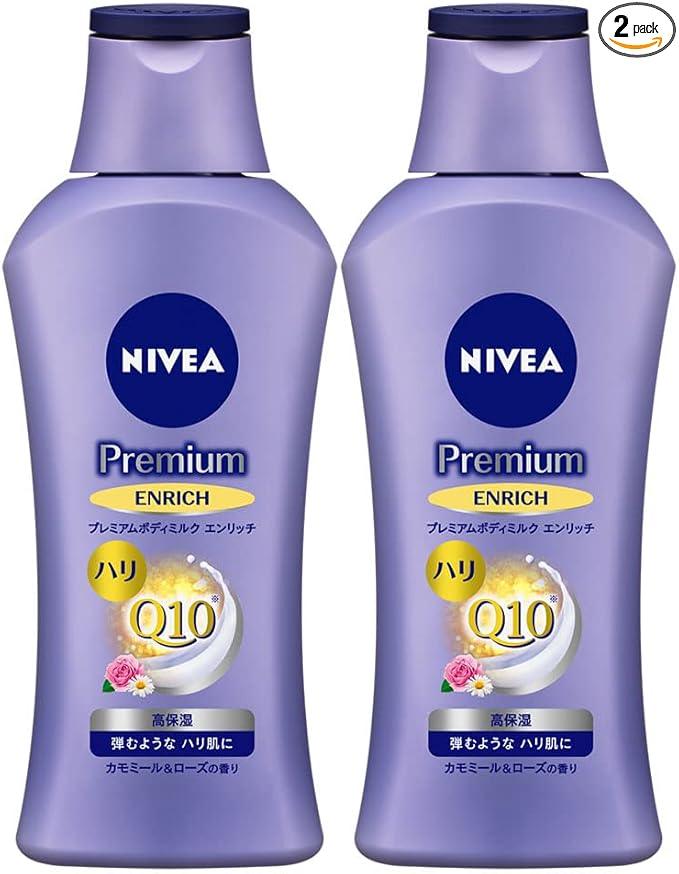
Forget the Nivea you know from back home. The Japanese version is built different. I use the “Premium Body Milk” in the dark blue bottle (not the tin!). Moms, listen to me: we do not have time to stand around naked waiting for lotion to dry while a toddler is screaming for snacks.
This stuff smells elegant—usually a rose or citrus scent—and spreads so easily. It is a Milk (Miruku: ミルク / みるく / Miruku), which means it is more fluid than a butter. It absorbs fast so you can get your pajamas on immediately. I keep a pump bottle right by the bathroom door so I don’t forget. Ordering the pump version online is a lifesaver because trying to squeeze a bottle with slippery hands is a recipe for disaster.
- Best For: Full body moisture after a bath.
- Scent: Elegant Rose or Citrus (depending on the variety).
- Texture: Milky, runny, fast-absorbing.
5. The Pocket Essential: Mentholatum Melty Cream Lip
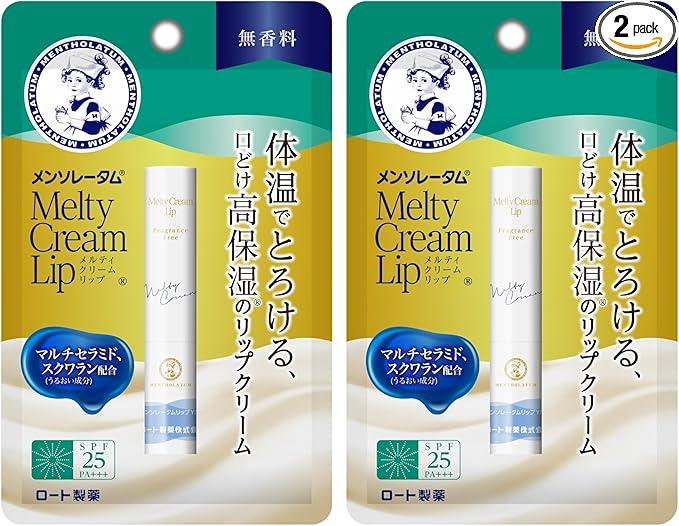
My lips are the first casualty of the Japanese winter. They get dry, peel, and bleed. It is awful. I used to buy expensive lip balms, but then I found this cheap drugstore gem. It is called “Melty Cream Lip” because it literally melts into an oil the second it touches your lips thanks to your body heat.
It feels so luxurious for something that costs like 400 yen. It acts like a Lip Cream (Rippu Kuriimu: リップクリーム / りっぷくりーむ / Rippu Kuriimu) but with SPF, which is crucial because the winter sun here is deceptively strong. I have one in my coat pocket, one in my purse, and one in the kitchen. I usually buy the multi-packs on Amazon because I tend to lose them before I finish them.
- Best For: Chapped, peeling lips.
- Feature: Contains SPF 25 / PA+++.
- Flavors: Milk Vanilla, Honey, and Fragrance-Free.
- Price: Super cheap (around ¥400-¥500).
How to Layer These for Maximum Moisture

Okay, having the products is one thing, but knowing the order to apply them is the real secret. I used to just slap things on randomly, but I learned that Japanese skincare is all about the “layering” technique. Here is my “Panic-Free Routine” that takes less than 5 minutes because, let’s be honest, my son will not give me more time than that.
- Bath/Shower: Enjoy your hot soaking tub (Ofuro: お風呂 / おふろ / Ofuro), but do not stay in too long or it dries you out.
- The 3-Second Rule: Within 3 seconds of drying off (I am serious!), pat the Hada Labo Lotion onto your damp face. Do not let your skin fully dry!
- Seal the Deal: Immediately follow up with the Curél Cream to lock that moisture in.
- Body Sprint: While your face is marinating, pump that Nivea Body Milk and get it all over your arms and legs before the cold air hits you.
- Spot Treatment: Right before bed, rub that thick Yuskin A on your elbows and heels.
- The Cherry on Top: Swipe on the Melty Cream Lip so you do not wake up with cracked lips.
FAQs About Japanese Winter Skincare

What is the difference between “Lotion” and “Milk” in Japan?
This confused the heck out of me at first! In the US or Philippines, “Lotion” is creamy. In Japan, Lotion is a liquid toner that looks like water. If you want a creamy liquid moisturizer, you need to look for Emulsion (Nyueki: 乳液 / にゅうえき / Nyueki). So, remember: Lotion = Watery Hydration. Milk/Nyueki = Creamy Moisture.
Can I find these at any drugstore?
Yes! You do not need to go to a fancy department store. You can find these at basically any Drugstore (Yakkyoku: 薬局 / やっきょく / Yakkyoku) like Welcia, Tomod’s, or Matsukiyo. You can even find them at Don Quijote (Donki), though I usually avoid Donki on weekends because the crowds give me anxiety. I prefer ordering online to skip the lines entirely.
Are these products safe for pregnancy?
Generally, yes! Japan is very strict about ingredients. Curél is specifically loved by pregnant moms because it is so gentle. Yuskin is also a family staple. However, everybody is different and pregnancy skin can be weird, so please check with your doctor just to be absolutely sure before trying anything new. Be sure to read my useful blogs if you’re pregnant in Japan.
Surviving Your First Japan Winter
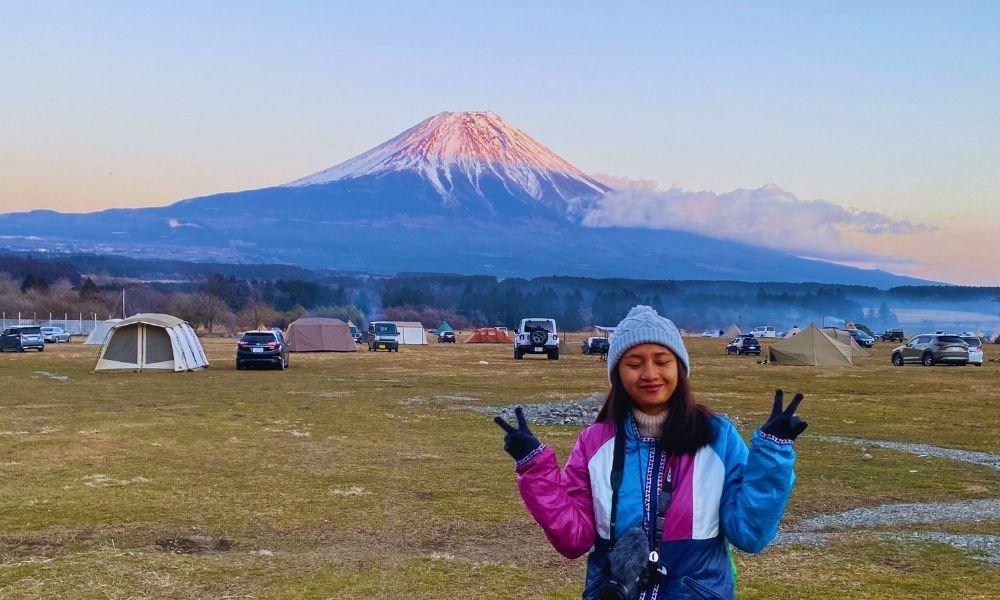
Surviving your first winter here is a rite of passage. It is tough, and the dry air is no joke, but once you have your skincare armor ready, you can actually enjoy the season. The best part about winter in Yokohama? The air is so crisp that Mt. Fuji looks absolutely stunning and clear almost every day. It is worth the dry skin battles, I promise.
Just keep that moisture barrier strong, stay warm, and do not forget to hydrate!
Did I miss your holy grail winter product? Let me know in the comments below or DM me on Instagram! I am always looking for new things to try.