June has officially hit the Kanto region, and if you live here, you know exactly what that means. The sky has settled into a permanent shade of gray, the humidity has casually spiked to eighty percent, and suddenly trying to get your laundry to dry indoors feels like an unwinnable extreme sport. Figuring out how to survive the sticky Japanese rainy season—tsuyu—without losing your mind is a true rite of passage for any expat. It is so tempting to just lock your doors, blast the dehumidifier, and refuse to emerge until August.
But I promise you, leaving your apartment right now is worth it for one very specific, breathtaking reason: the Hasedera Temple hydrangeas. Seeing these iconic blooms in person is a quintessential Japan bucket-list experience. The catch is that every other tourist and local in the greater Tokyo area has the exact same idea.
If you just show up on a Saturday morning without a game plan, I can guarantee you will end up stuck in a massive, sweltering queue alongside thousands of other unprepared visitors. To bypass the chaos entirely, here is your guide to skipping the worst of the crowds and actually enjoying the scenery.
For those visiting Hasadera outside summer, don’t let the lack of hydrangeas discourage you. It is still a must-visit temple with a lot of must-see spots.
The Magic of Kamakura in Early Summer
Kamakura during the rainy season is incredibly pretty. You might assume that a coastal city is best visited in the bright summer sunshine, but the heavy moisture in the early summer air actually makes the ancient moss in the temple gardens look impossibly lush in a #nostalgiacore kind of what. The constant, light drizzle brings out the deeply saturated blues, purples, and pinks of the flowers, transforming the entire town into something straight out of a Studio Ghibli film.
It is truly the one time of year when you want the weekend forecast to call for rain. The overcast lighting eliminates harsh shadows, meaning every photo you take looks like a professional postcard. Just embrace the dampness, because it is the secret ingredient to Kamakura’s June charm.
Of course, I have to make this clear: Kamakura is beautiful all year round, and it’s even home to exciting events from January to December. Want to make sure you don’t miss any of them?


Why the Hasedera Temple Hydrangeas Are a Bucket-List Experience
Transparency Note: This post may contain affiliate links. If you book or buy through them, I may earn a small commission at no extra cost to you. Thank you for supporting the blog!
There are dozens of beautiful spots to view ajisai (hydrangeas) across Japan, and even a few famous ones right next door in Kita-Kamakura. But the Hasedera Temple hydrangeas offer a visual payoff that you simply cannot find anywhere else.
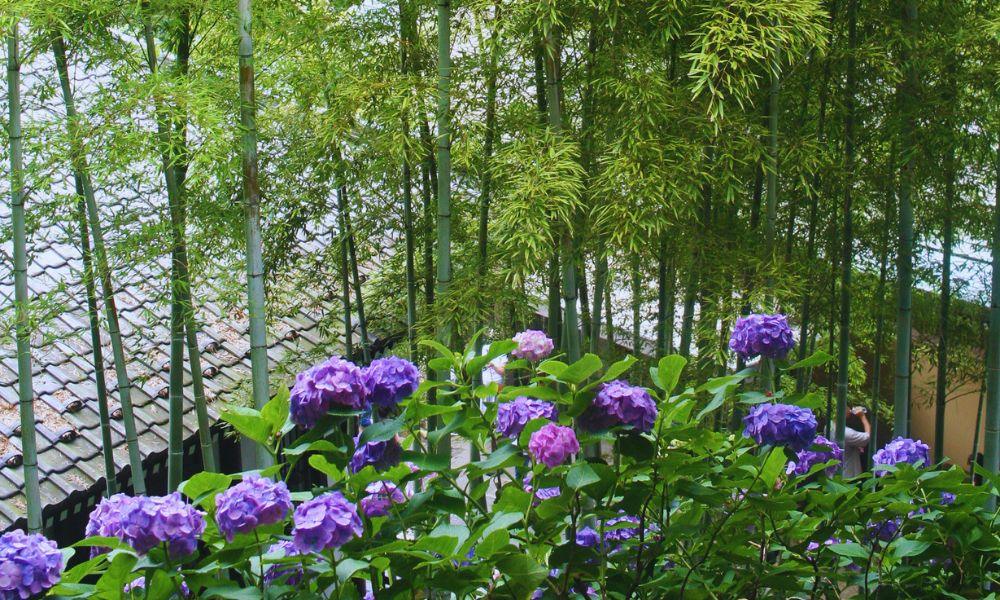
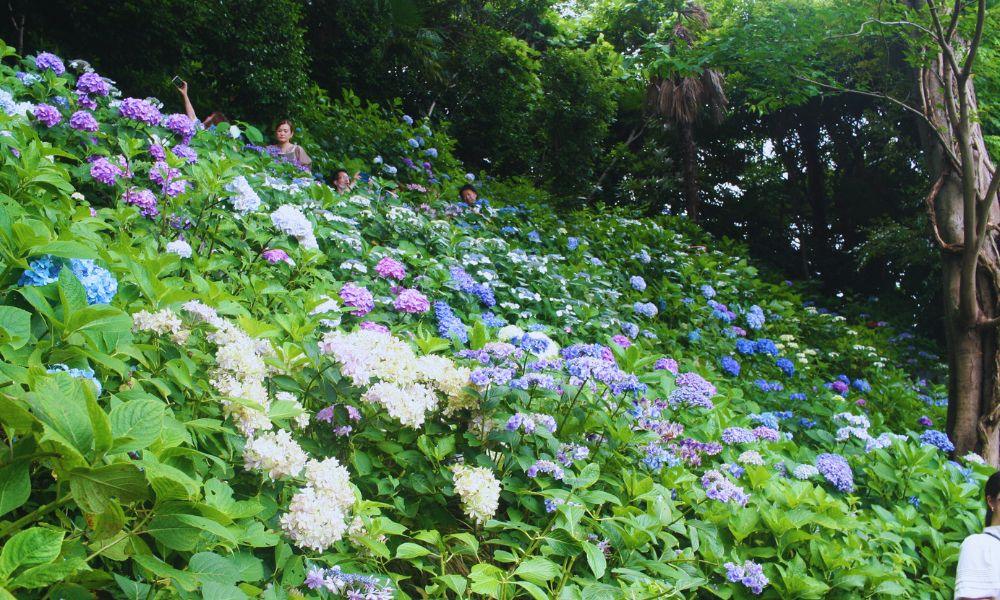
The main attraction is the legendary “Ajisai Path.” This is a dedicated, scenic walking trail carved directly into the steep hillside behind the main temple buildings. As you wind your way up the mountain, you are completely surrounded by over 2,500 hydrangeas representing more than forty different varieties. Because the local soil is naturally alkaline, the dominant colors are brilliant shades of pink, purple, and an incredibly rare aqua blue.
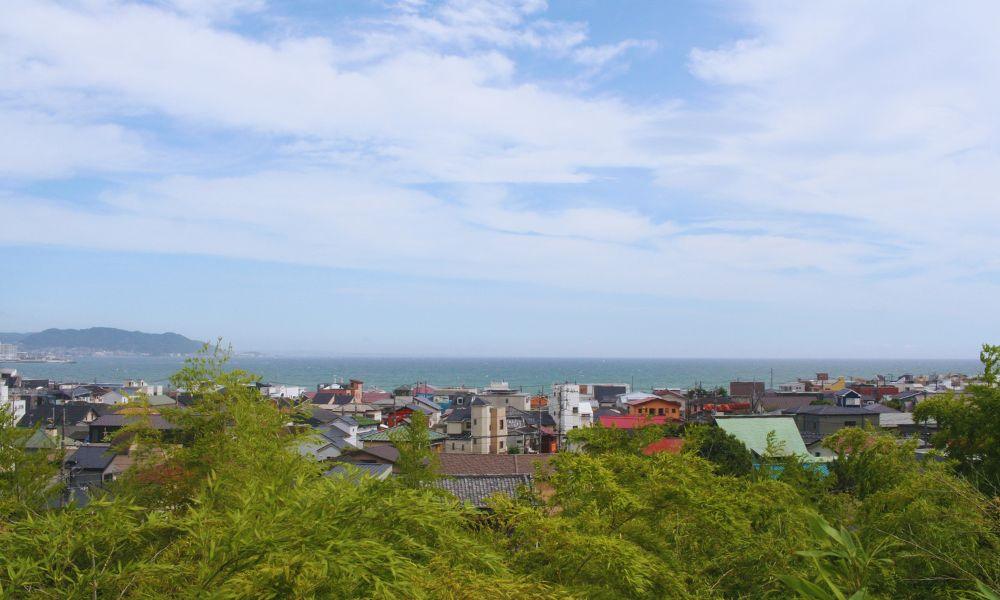
But the real draw is the panoramic reward at the very top. Once you reach the highest lookout point on the path, known as the Miharashidai, you are treated to a sweeping, unobstructed view of the Kamakura townscape, Yuigahama Beach, and the sparkling Shonan coastline. That distinct “ocean-meets-flower-mountain” aesthetic is exactly why this temple goes viral on social media every single year.
If it’s rainy on the day of your visit, don’t give up just yet. It might even be the perfect chance for you to nail that moody Japan tsuyu and hydrangea photo by picking up a transparent umbrella before you board the train. They let the natural light in for your portraits and keep you completely dry. You can grab a flimsy one at a convenience store, but I highly recommend upgrading to a wind-resistant dome version that will actually survive the coastal breeze down by the beach (and are the most photogenic ones, obviously!).
The Secret to Booking Hasedera Temple Hydrangeas Tickets
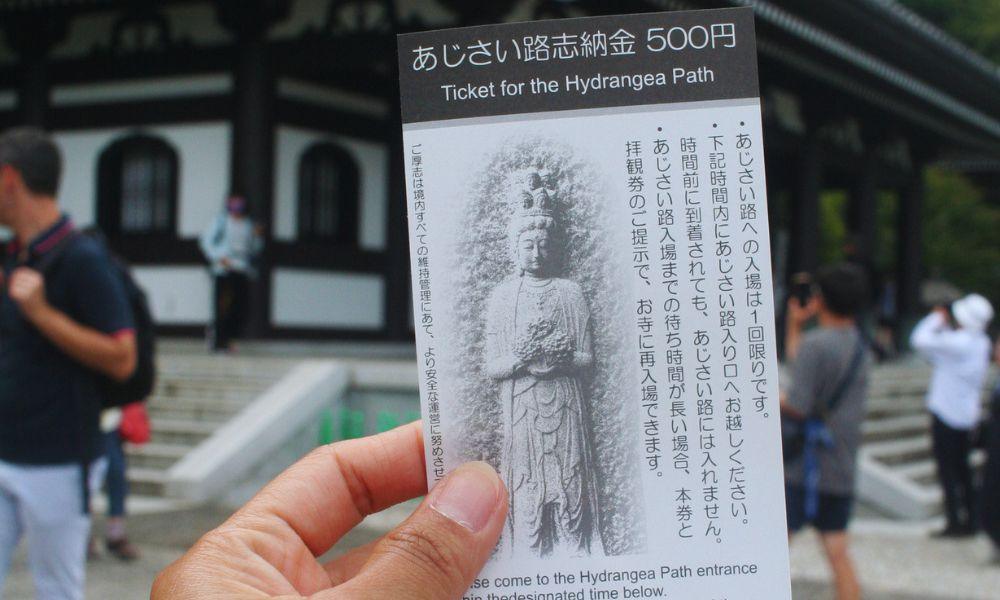
Hasedera has thankfully retired the old, chaotic system of making people wait for hours in physical lines just to get a glimpse of the hillside. They now enforce a strict timed-entry advance reservation system for the Hydrangea Path during the peak blooming weeks, which runs from late May through late June.
You need two separate items to make this work. First, you must pay the standard temple admission fee of 400 yen per adult. Second, to actually walk up the hillside, you need a dedicated Hydrangea Path Ticket, which costs an additional 500 yen.
To walk right past the crowds, you absolutely must book your Hydrangea Path ticket online ahead of time using the temple’s official Webket portal. Tickets for the following week drop online every Tuesday morning at exactly 10:00 AM Japan Standard Time. You can log onto the site a few minutes early, and select your preferred sixty-minute time slot. You can check out with a credit card, and the system will immediately email you a digital QR code.
I made the mistake of thinking I could just get the ajisai path ticket once I get there, and ended up with a ticket for a time slot that is more than 2 hours away. Two hours that I had to kill under the hot sun, because although Hasedera has a restaurant, it is almost always full!
When you arrive at the temple, simply tap your IC card—like a Suica or Pasmo—at the automated gates to pay your 400 yen standard entry. I mean, that’s the easiest option, but you could also of course use cash. Then, you can pass everyone wandering around the lower gardens, walk directly to the designated path entrance, and scan your pre-booked QR code.
Navigating the Ajisai Path Like a Local
Now that your tickets are sorted, we need to talk about surviving the elements on the ground. I am not going to sugarcoat it—the Ajisai Path is a bit of a workout.
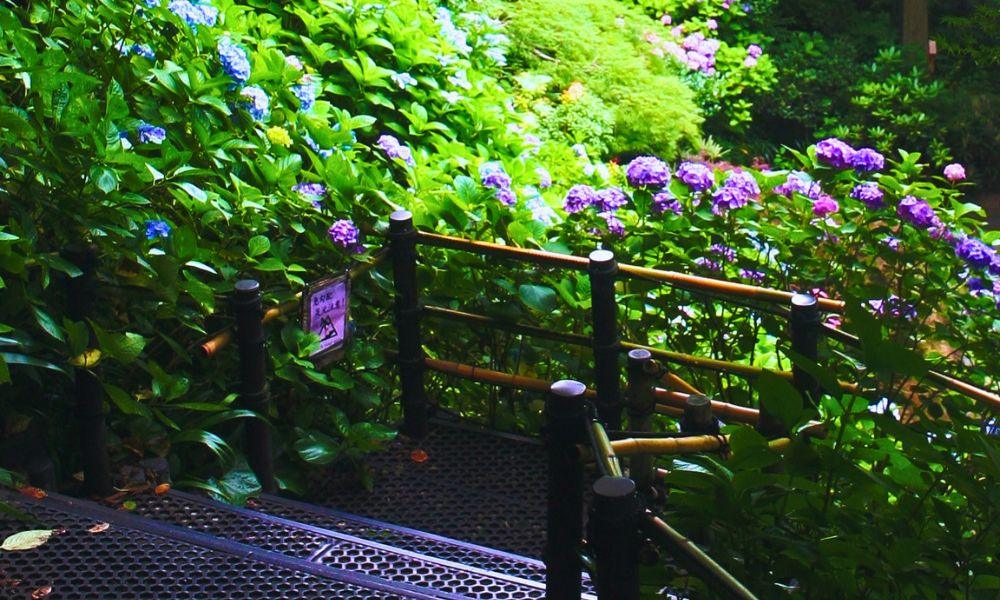
You have to climb about eighty steep stone steps just to reach the start of the trail, and then navigate another 130 uneven steps on the path itself. Because the path is quite narrow, it operates as a strict one-way route. Many sections lack handrails, and you will be walking shoulder-to-shoulder with other visitors.
For these reasons, your footwear choice is entirely non-negotiable. Please leave the cute, strappy sandals at home. Those wet stone steps are a severe slipping hazard waiting to happen, and there is no quick way down if you twist an ankle. If you need a pair of reliable, rain-proof shoes that still look stylish enough to pair with a summer dress or shorts, these are my ultimate rainy season lifesavers, and they’re very cute too!
To get the absolute best experience, aim to book the very first slot of the day at 8:00 AM. The massive tour buses do not usually arrive that early, the morning light is soft and highly flattering, and you can actually pause to take photos without aggressively elbowing a stranger.
The Complete Day Trip Itinerary
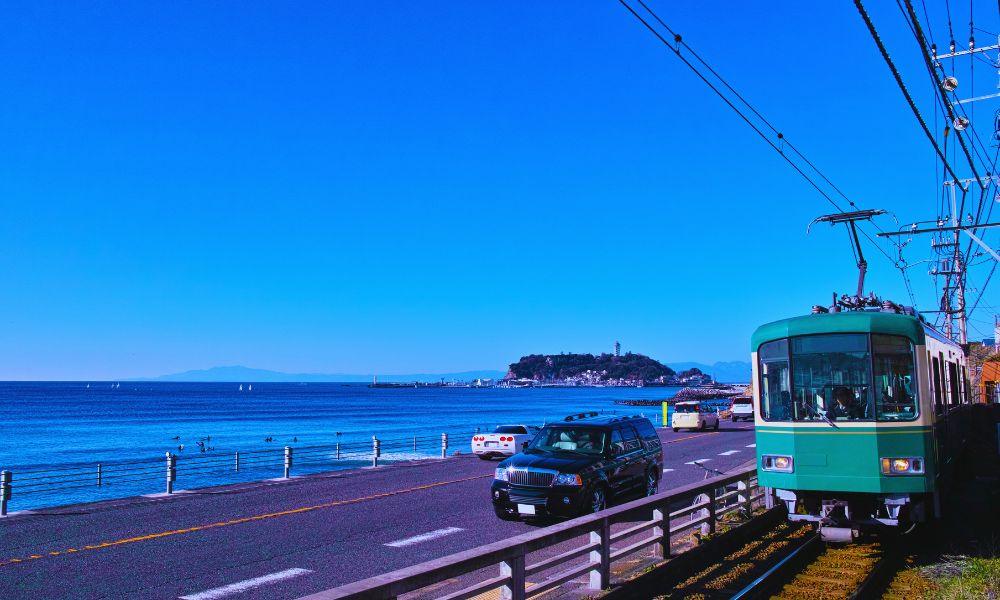
If you are making the trip yourself, taking the retro Enoden train to Hase Station is an experience in itself. Try to grab a window seat and watch the ocean views roll past the sleepy coastal neighborhoods. It is the perfect way to start your day before arriving at the temple.
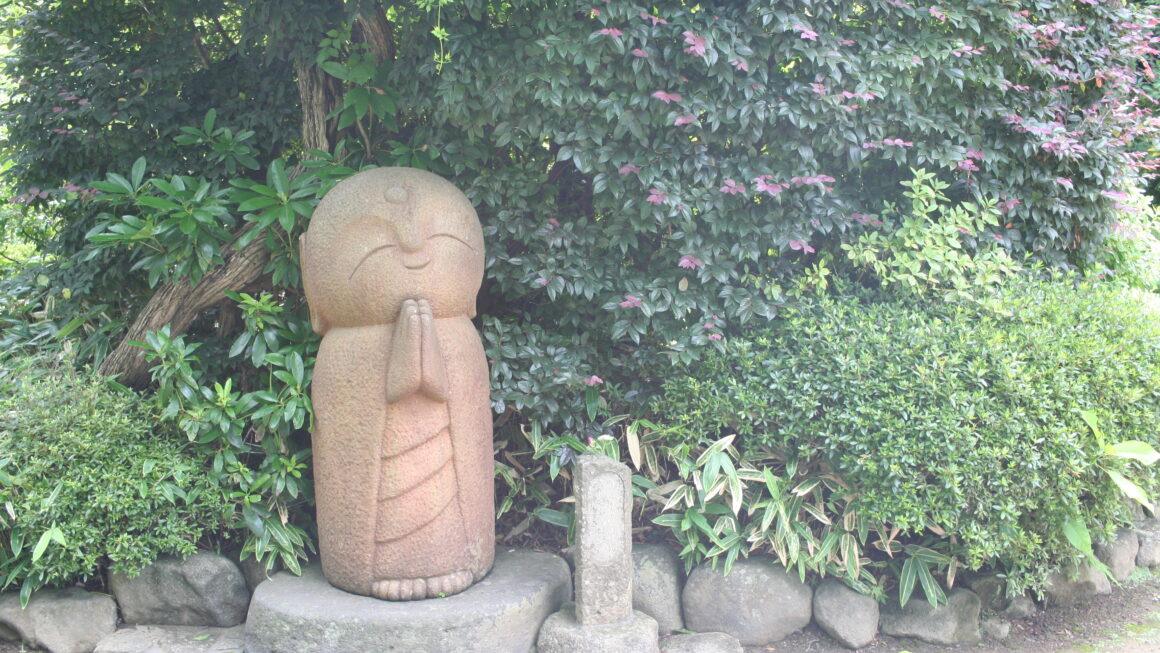
Once you have survived the humidity, conquered the stairs, and secured your gorgeous photos, take a moment to wind down. Before exiting Hasedera, grab a breather at the small temple cafe near the lower gardens. They serve excellent matcha and traditional Japanese sweets. Also, keep an eye out for the adorable, smiling Ryo-en Jizo statues tucked into the mossy corners of the grounds. Finding all three groups of them is guaranteed to boost your mood.
The main street directly outside the temple gates can be incredibly hectic around lunchtime. Instead of fighting your way back to the station right away, grab an iced coffee from a local roastery and take a five-minute detour southward down to Yuigahama Beach.
Escaping the Crowds Completely
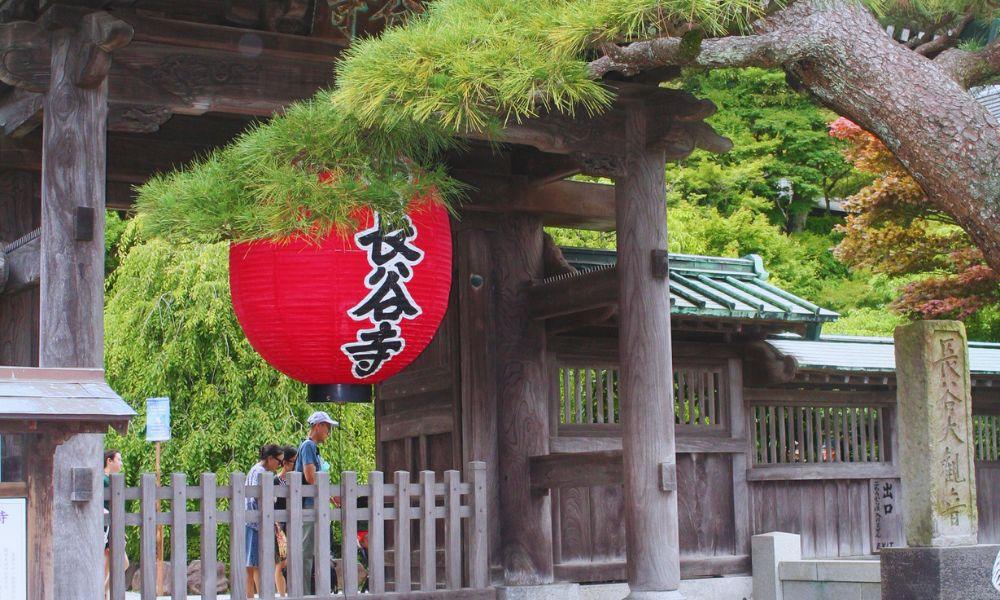
Dealing with the crowds and the sticky weather will definitely test your patience, but standing on that hillside looking out over the ocean makes the entire journey worth it. So, embrace the rainy season, set those Tuesday morning alarms, and go experience one of the Kanto region’s most stunning seasonal highlights before the blooms fade in July.
If you want to spend the rest of your weekend exploring the quiet, hidden side of this incredible coastal city without fighting for elbow room, you need to check out my 17-page insider’s guide to the Kita-Kamakura temple walk, with a clickable map and local food recommendations.

Want to make your day completely effortless?
I’ve bundled this entire tour, a clickable Google Map with my favorite local lunch spots pinned, and tons of insider tips into my beautifully designed 17-page Insider’s Guide to Kita-Kamakura PDF for just $3!
It’s everything you need for a perfect day, ready to use offline on your phone.