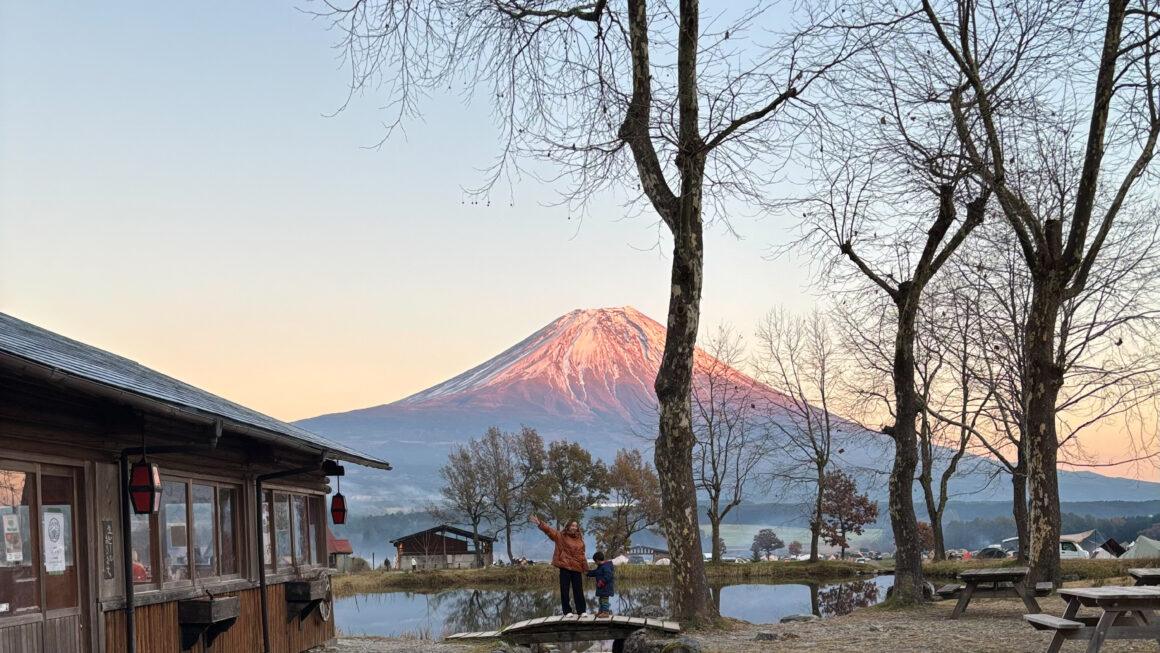
My son asked me last month why we don’t just look at a picture of Mount Fuji instead of driving two hours to sleep next to it. Fair question from a kid who’d rather be at the playground. But there’s no photo that gets you the version where the mountain turns pink at sunrise while you’re still in your sleeping bag, freezing, fumbling for your phone camera with hands that don’t work properly yet.
That’s the whole reason I keep dragging my family back out to campsites with Mt. Fuji views all over Yamanashi and Shizuoka. So, here’s my actual list of the best of them, the ones that held up after repeat visits. I’m not handing you a generic top ten copied from ten other blogs. These are the campgrounds I’ve actually stayed at, kid, gear, questionable camping instincts and all. So you’re getting the real upsides and the real annoyances, not just the highlight reel.
Why I Camp With a Mt. Fuji View in the First Place
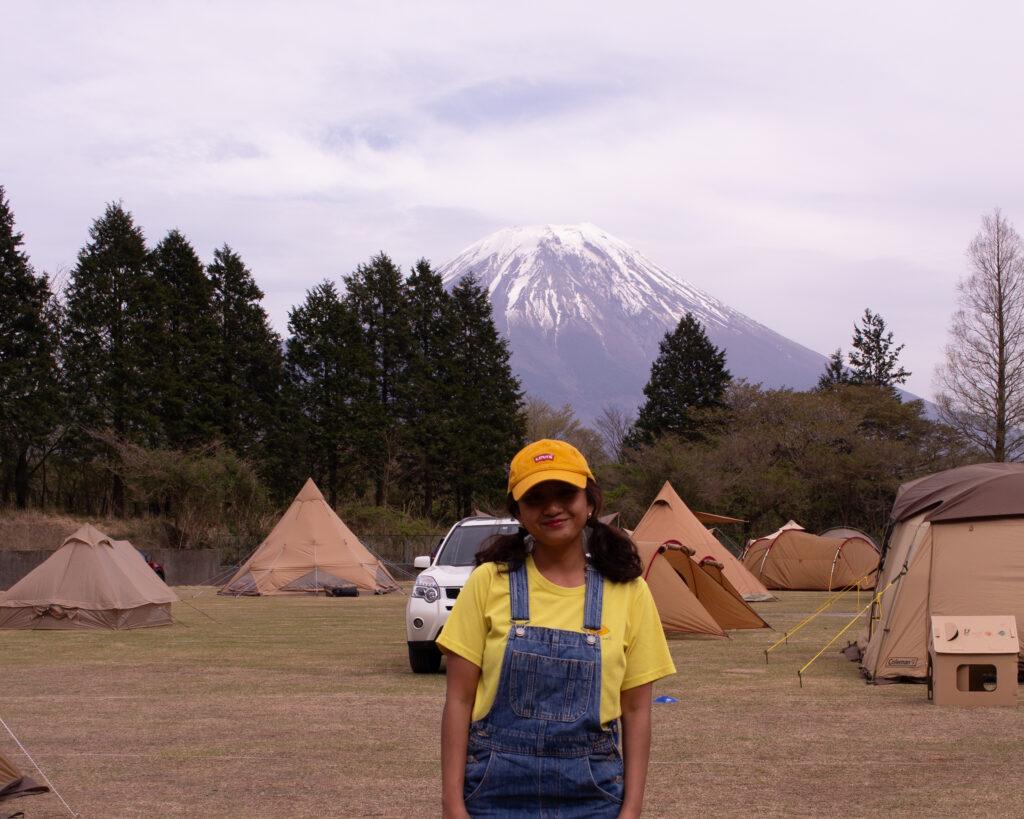
Seeing Mt. Fuji from your tent hits different than seeing it from a car window doing 100km an hour. You’re not just passing through. You’re parked right next to it, watching the light change on it at dusk and again at sunrise (spoiler alert: the morning version wins every time, unless you are lucky enough to happen on a full moon moonrise in Fumotoppara).
It’s also one of the easier big nature trips to pull off from Tokyo or Yokohama without needing to burn through your entire nenkyu. Most of these campgrounds sit two to three hours out by car, which makes them perfect Friday-to-Sunday territory. And you don’t need years of camping experience to pull this off either. Loads of these sites rent gear on arrival, and a few even have cabins for anyone who’d rather skip the tent-with-a-toddler chaos altogether.
Best Time of Year to See Mt. Fuji Clearly
Autumn through spring gets you the clearest skies, no contest. Summer looks great on the calendar with its warm nights and long days, but that’s also humidity and cloud cover season, and Mt. Fuji vanishes behind it for days at a time. I’ve had entire summer trips where we never saw the peak once. Not a glimpse, not even a shadow of it. Winter delivers the sharpest views of the whole year, though you’re paying for that with genuinely bitter nights, so pick somewhere with heating unless the cold doesn’t bother you.
Look up Diamond Fuji season before you book anything. That’s the stretch when the sun lines up directly with the peak at sunrise or sunset, and it only happens on a handful of dates each spring and autumn depending on your exact spot. A good number of the lakeside sites near Fuji Five Lakes are practically designed around catching that one moment.
Campsites With Mt. Fuji Views, Compared
Fumotoppara
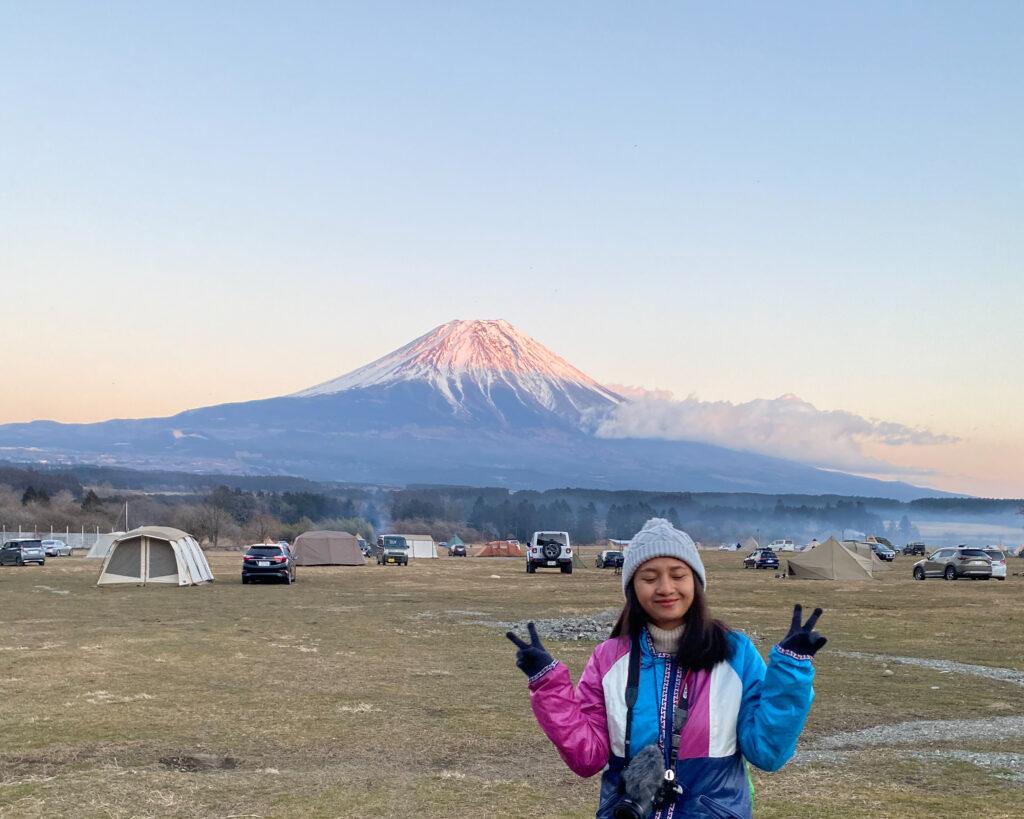
If you’ve seen a single photo of Mt. Fuji camping in Japan, odds are decent it was shot here. Fumotoppara is the benchmark everyone else gets measured against. The grassland stretches out enormous, you can plant your tent wherever suits you, and the view stays clear no matter which patch of grass you claim.
It’s also windy enough to snap a bad stake clean in half, and it books out fast once peak season hits. Reserve early or don’t bother showing up. I put together a full guide to Fumotoppara covering site picks, pricing, and the food stalls most visitors walk straight past without noticing:
Asagiri Camp Base Sorairo
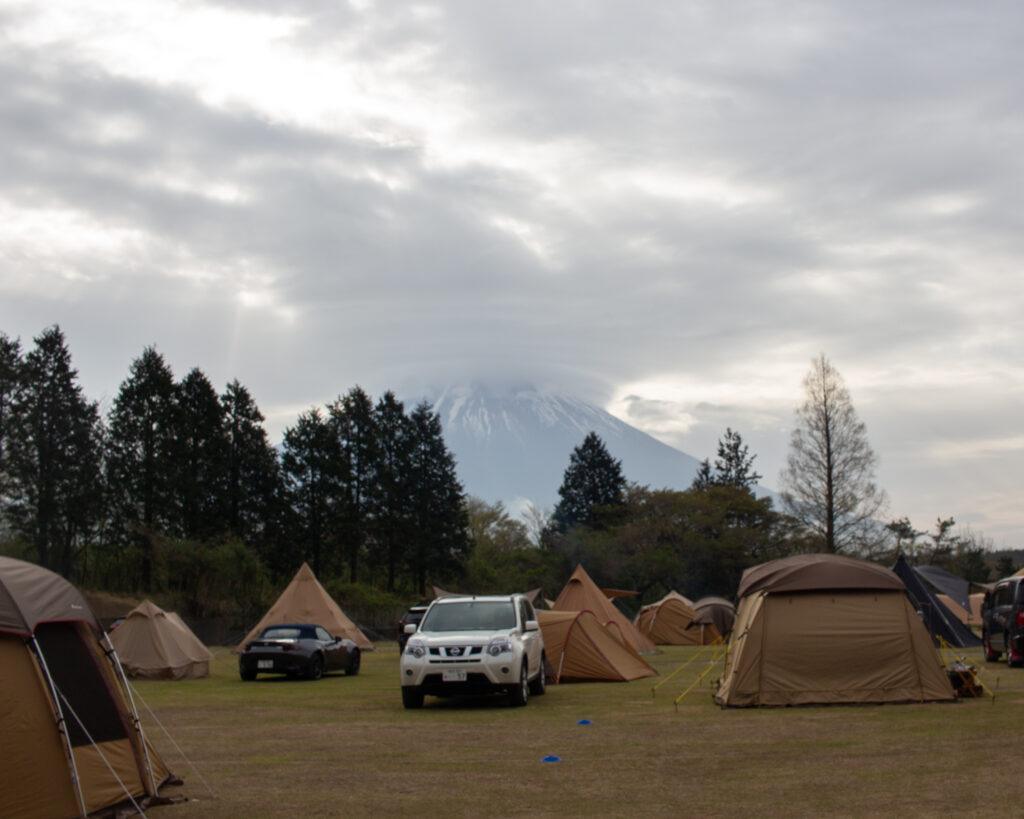
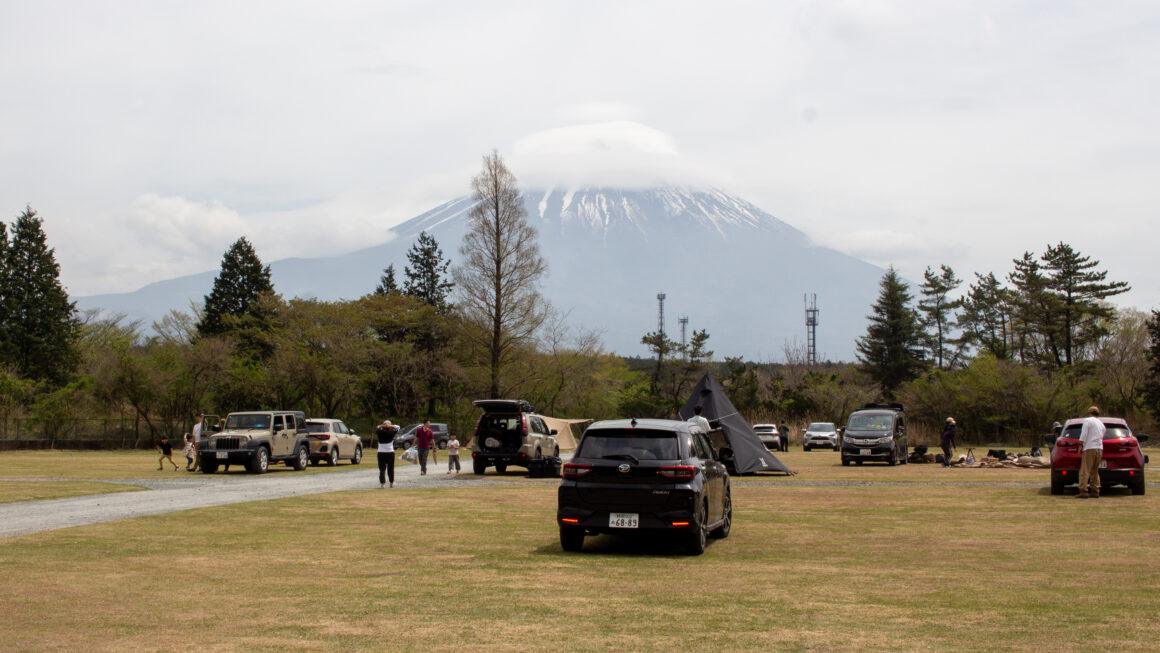
Asagiri Camp Base Sorairo sits right beside Fumotoppara and was clearly built to be its friendlier, more put-together cousin. Every area has its own washlet toilets and hot water sinks, and the management building even has a diaper-changing table.
The catch is that the Mt. Fuji view isn’t guaranteed everywhere on the property the way it is at Fumotoppara. We booked later than we should have and landed in one of the terraced sites, which felt a bit less rugged and a bit more built-up than open grass camping. We still caught the snow-capped tip over the treeline, but if a close, unobstructed view is the entire point of your trip, book early and pick your area carefully. I laid out exactly which zones give you the best shot at it in my Asagiri Camp Base Sorairo guide:
Fujiminooka Auto Camp Field

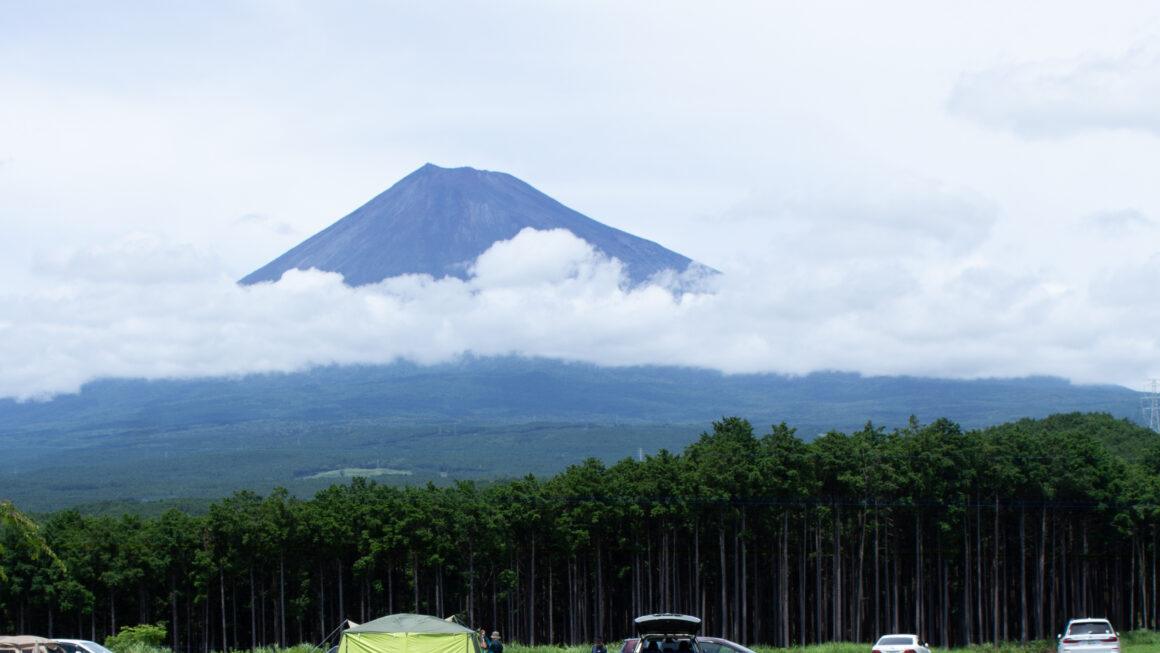
I went in expecting Fujiminooka to be the lesser option compared to Fumotoppara, since it doesn’t get nearly the same amount of hype online. I left thinking it might actually be my favorite. The woods at the base of the property frame Mt. Fuji in a way that makes the whole scene feel complete, even on a summer visit when the mountain has none of its snow cap left.
Go in summer if you can, because they set up one of those inflatable tarp pools for the kids, and it kept our group of four families entertained for hours without anyone needing to be entertained by us. There are showers on site too, though I’ll be straight with you, they’re nowhere near as polished as what you get at Asagiri. Ours had bug company we didn’t ask for, and by the second night a few of us just drove to a nearby onsen instead.
Full rundown, bugs and all, in my Fujiminooka Auto Camp Field guide:
Negura Campground
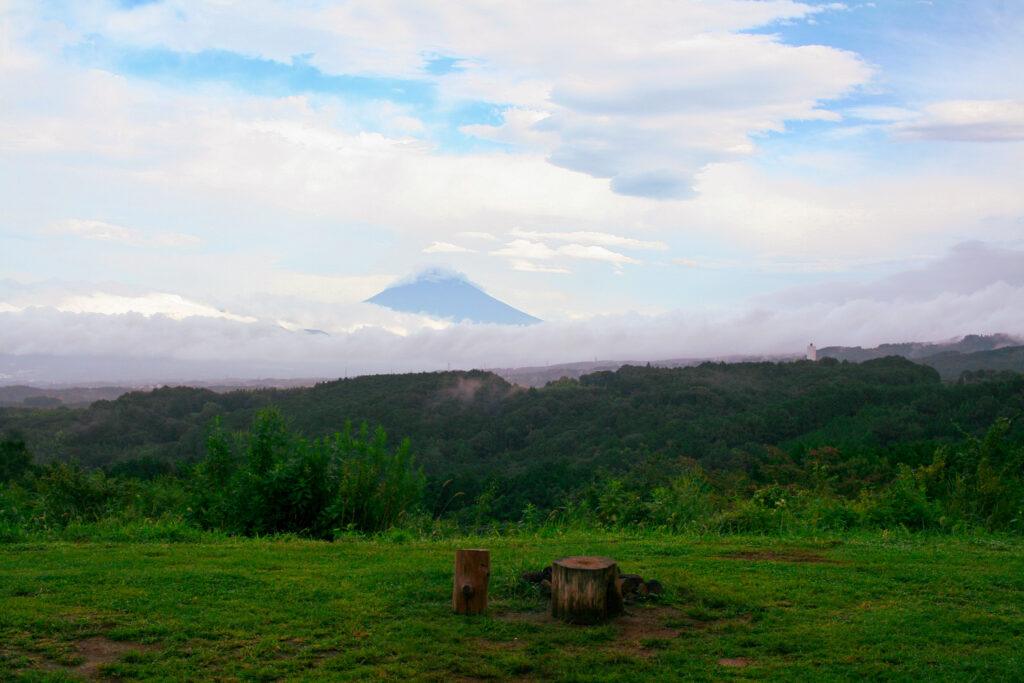
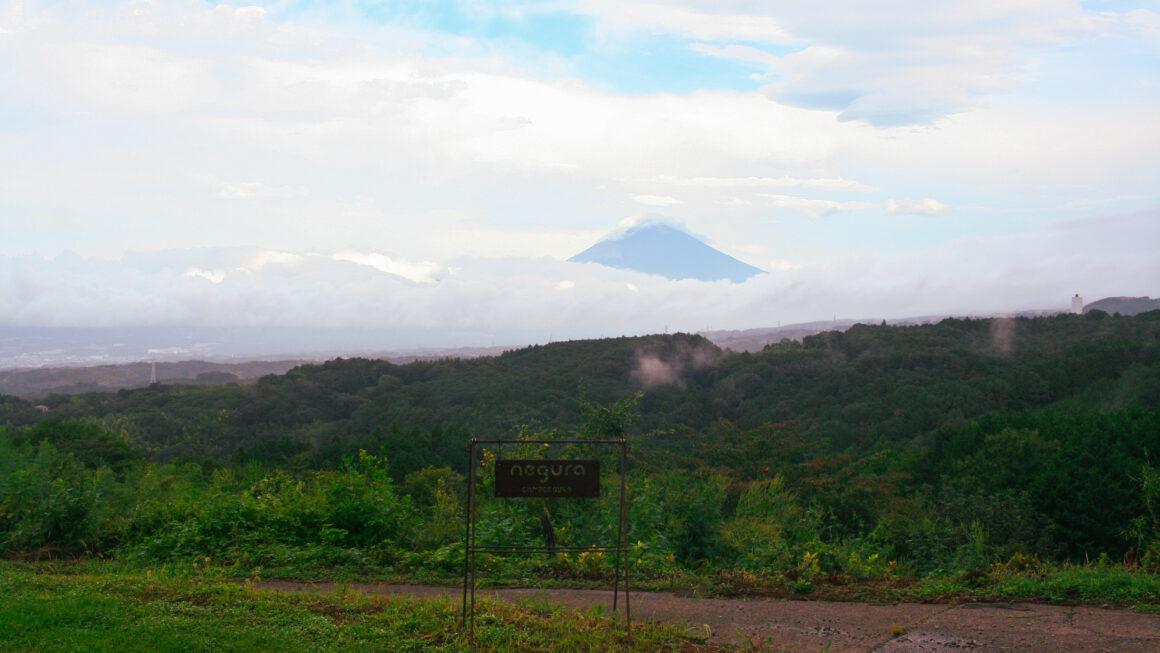
Before you get your hopes up, know that even though Negura shows up on almost every Izu camping list lately, the Mt. Fuji view here is a small peek in the distance, not the looming, fills-your-camera view you get at Fumotoppara. If Mt. Fuji is the entire reason for your trip, this isn’t your spot.
What Negura actually does well is that in addition to Mt. Fuji, it also gives you great views over Numazu and Mishima once the sun drops, city lights slowly switching on beneath you while you sit by a direct ground fire.
The facilities here are simple, just two toilet blocks and no showers on site, so budget a short drive to a local onsen. Learn the other reasons why Negura is definitely still worth a visit:
Final Tips Before You Book a Mt. Fuji Campsite
I think the most important thing is that you should book ahead, especially for weekends or anything near peak season. A lot of these places run reservation-only these days.
Anywhere near Mt. Fuji also gets wind, and I mean proper wind that will humble a cheap tent stake. The ground at a lot of these spots runs harder and rockier than you’d guess, so skip whatever flimsy stakes came bundled with your starter tent.
Day and night temperatures additionally swing hard here, so pack layers even when the forecast looks mild and friendly. A few sites are also cash-only for site fees and the little on-site shop, so don’t assume your card will work once you’re there.
And when a listing brags about an “unobstructed view,” go double check recent photos or ask around first. That phrase gets thrown around pretty loosely sometimes, and what looks unobstructed from the parking lot isn’t always what you get from your actual tent site.